
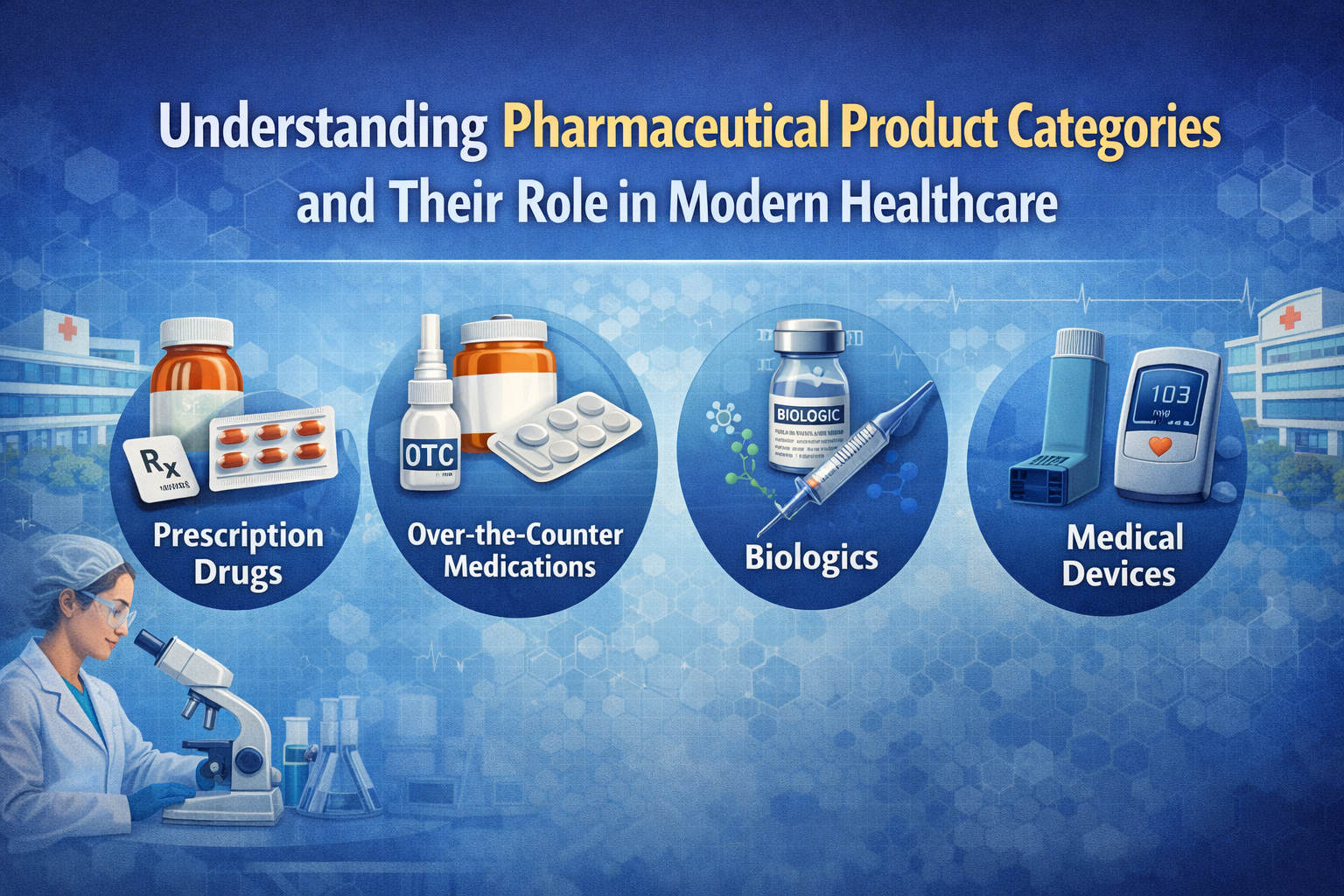
Pharmaceutical products are designed in various forms to meet different therapeutic needs, patient preferences, and treatment requirements. Each product category plays a vital role in delivering safe, effective, and convenient healthcare solutions across diverse patient groups.
Tablets and Capsules: Precision and Convenience
Tablets and capsules are among the most commonly used pharmaceutical dosage forms. They offer precise dosing, longer shelf life, and ease of transportation and storage.
Key advantages include:
Accurate and consistent dosage
High patient compliance
Suitable for long-term treatments
Easy packaging and labeling
These forms are widely used in managing chronic conditions and preventive therapies.
Syrups and Suspensions: Ideal for Pediatric and Geriatric Care
Liquid formulations such as syrups and suspensions are essential for patients who have difficulty swallowing solid dosage forms. They are commonly prescribed for children and elderly patients.
Benefits include:
Easy administration
Faster absorption in some cases
Flexible dosing options
Improved taste masking
Proper formulation and stability testing are critical to ensure uniformity and safety in liquid medicines.
Ointments and Creams: Targeted Topical Treatment
Topical pharmaceutical products are designed for direct application to the skin, allowing localized treatment with minimal systemic effects.
Common uses:
Skin infections and inflammations
Wound care and healing
Pain relief and dermatological conditions
High-quality topical products require careful formulation to ensure proper absorption, stability, and skin compatibility.
Nutritional and Health Supplements: Supporting Overall Wellness
Nutritional supplements play a complementary role in modern healthcare by supporting immune function, energy levels, and overall well-being. While not intended to replace medicines, they are widely used to address nutritional deficiencies and promote preventive care.
Key considerations:
Ingredient quality and sourcing
Accurate labeling and dosage information
Compliance with regulatory standards
The Importance of Quality Across All Product Categories
Regardless of the dosage form, pharmaceutical products must be manufactured under strict quality and regulatory guidelines. Quality assurance ensures consistency, safety, and effectiveness throughout the product lifecycle.
Manufacturers committed to excellence focus on:
GMP-aligned manufacturing practices
Rigorous quality testing
Regulatory compliance and documentation
Continuous process improvement
Advancing Healthcare Through Diverse Pharmaceutical Solutions
Each pharmaceutical product category contributes uniquely to patient care. By offering a wide range of high-quality dosage forms, pharmaceutical manufacturers help healthcare providers deliver personalized and effective treatment solutions that meet evolving patient needs.